
Maybe your doctor mentioned it after your knee operation. Maybe a friend saw one for back pain. Or maybe your physio said you’re ready to “move on to biokinetics.”
Either way, you’re wondering: what exactly does a biokineticist do?
You’re not alone. Biokinetics is a uniquely South African profession, so many people have never heard of it. This guide explains it in plain language, so you know what to expect and whether it’s right for you.
What is a biokineticist?
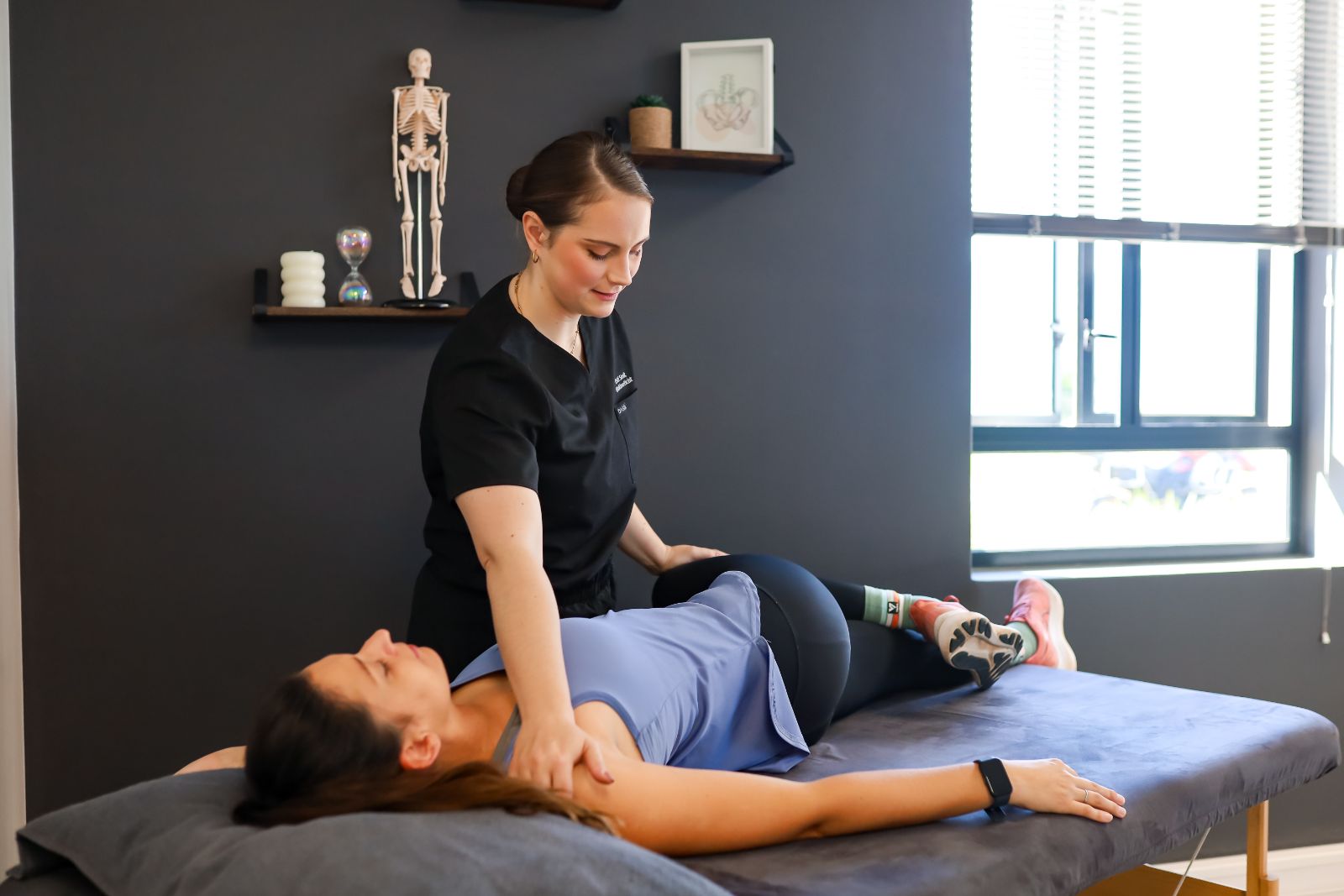
A biokineticist is a clinical exercise specialist. We use tested, targeted exercise to treat injuries, manage health conditions and help you move and feel better.
Biokineticists study for at least four years at university, including an honours degree, and then complete a year-long internship. We are registered with the Health Professions Council of South Africa (HPCSA), the same council that registers doctors and physiotherapists.
The name comes from two Greek words: bios (life) and kinesis (movement). That sums up what we do. We use movement to improve your quality of life.
What does a biokineticist treat?
Biokineticists work with a wide range of people. Some of the most common reasons people in Paarl come to see us:
- Ongoing pain: lower back pain, neck and shoulder pain, knee pain and hip pain that keeps coming back
- Rehab after surgery: knee replacements, ACL reconstructions, hip replacements and shoulder operations, once you’re cleared for exercise
- Sports injuries: sprains, strains and overuse injuries, plus getting safely back to rugby, netball, running, golf or gym
- Chronic health conditions: high blood pressure, type 2 diabetes, high cholesterol, osteoporosis and arthritis, where the right exercise plan supports your medical treatment
- Posture and movement problems: desk-related stiffness, poor balance, or muscles that don’t fire the way they should
- Children and teens: sports screenings, growth-related pain and injury prevention for young athletes
What happens at your first biokinetics appointment?
Your first visit is an assessment. Expect it to take about an hour. We’ll:
- 1Talk through your history.Your pain or goals, past injuries, operations, medication and daily routine.
- 2Test how you move.We look at posture, joint range, balance and how you squat, bend, step or lift.
- 3Test your muscles.We check strength, and whether key muscles switch on properly when they should. A muscle can be strong and still not be doing its job.
- 4Explain what we found.In plain language, with no jargon.
- 5Build your plan.A rehabilitation programme designed for you, with exercises you’ll do in our practice and at home.
Wear comfortable clothes you can move in, and bring any scans, X-ray reports or doctor’s notes you have.
Biokineticist or physiotherapist: who should you see?
This is one of the most common questions we get. Both professions are HPCSA-registered, and both use exercise. They work well together, and many people see both.
In general:
- Physiotherapists often see you first, especially soon after an injury or operation. Their treatment can include hands-on techniques and other modalities to settle pain and swelling and restore early movement.
- Biokineticists focus on exercise-based rehabilitation. We often work with you in the later stage of recovery, when the focus moves to rebuilding strength, control and fitness so the problem doesn’t return. We also help people with chronic conditions and long-term pain.
A simple rule: if you’ve just been injured or had surgery, check with your doctor or physio first. If you’re past the acute stage but still not back to normal, or your pain keeps returning, a biokineticist is a good next step.
Do you need a referral to see a biokineticist?
No. You can book directly with a biokineticist in Paarl without seeing a doctor first.
Some medical aid plans do require a referral before they’ll pay, so check your plan if you want to claim.
Does medical aid cover biokinetics?
Many medical aid plans cover biokinetics, but how much and from which benefit differs a lot between plans. Some pay from your medical savings or day-to-day benefits. Others only cover biokinetics for certain conditions, and only with a referral.
Before your first appointment, call your medical aid and ask:
- Is biokinetics covered on my plan?
- Is it paid from savings, day-to-day benefits or a specific benefit?
- Do I need a referral from a doctor or specialist?
At Esti Smit Biokinetics, a first assessment costs R830 and follow-up sessions are R580.
How many sessions will you need?
It depends on your condition, how long you’ve had it and your goals. After your assessment we’ll explain what we found and give you a realistic idea of what to expect. We’d rather track real progress than promise a quick fix.
Most programmes combine sessions at the practice with exercises at home. The work you do between sessions makes a big difference.
Why choose a biokineticist close to home?
Rehab works best when you stick with it, and that’s easier when your practice is close by. Esti Smit Biokinetics is at Winelands Medical Centre in Southern Paarl, so you can fit sessions in before work, after school drop-off or on your way home.
When to see a doctor first
Biokinetics is the right fit for many problems, but some symptoms need a medical check first. See your doctor if you have:
- Pain after a fall or accident where you can’t put weight on a limb
- Pain that wakes you at night, along with fever or unexplained weight loss
- New numbness, tingling or weakness in your arms or legs
- Back pain with problems controlling your bladder or bowel. This needs urgent medical attention.
If anything in your assessment falls outside our scope, we’ll refer you to the right practitioner.
Frequently asked questions
Esti Smit, Registered Biokineticist (HPCSA) | Winelands Medical Centre, 1D New Eskdale Street, Paarl